
You cannot transfer an LCSW license. You apply for a new license in the other state, usually by endorsement, sending license verifications from every state, your ASWB score, transcripts and a background check, and sometimes passing a law exam. Requirements vary: California's credential path needs two years licensed, New York's endorsement needs ten.
"Transfer" is the word everyone uses, and it is the wrong one. No state moves your license from one board to another. Each state issues its own license under its own law. When you move or take on clients elsewhere, you apply to the new state for a new license, and your existing license is the main evidence you submit. Your old license stays where it is, active or not, depending on whether you renew it.
Most states call the process for already-licensed applicants endorsement; some say reciprocity or licensure by credential. The names matter less than what the board will actually ask for.
What does nearly every board ask for?
- An application and fee to the new state's board.
- License verification from the states where you hold, and often have held, a social work license, sent directly between boards or through a service the board accepts. See license verification between boards.
- Your ASWB exam score, sent by ASWB to the new board. A score transfer costs $40 and ASWB sends it within 7 to 10 business days. Your ASWB record must match your current legal name.
- Official transcripts showing a social work degree from a CSWE-accredited program, sometimes with a degree date or accreditation date the board checks against the program's history.
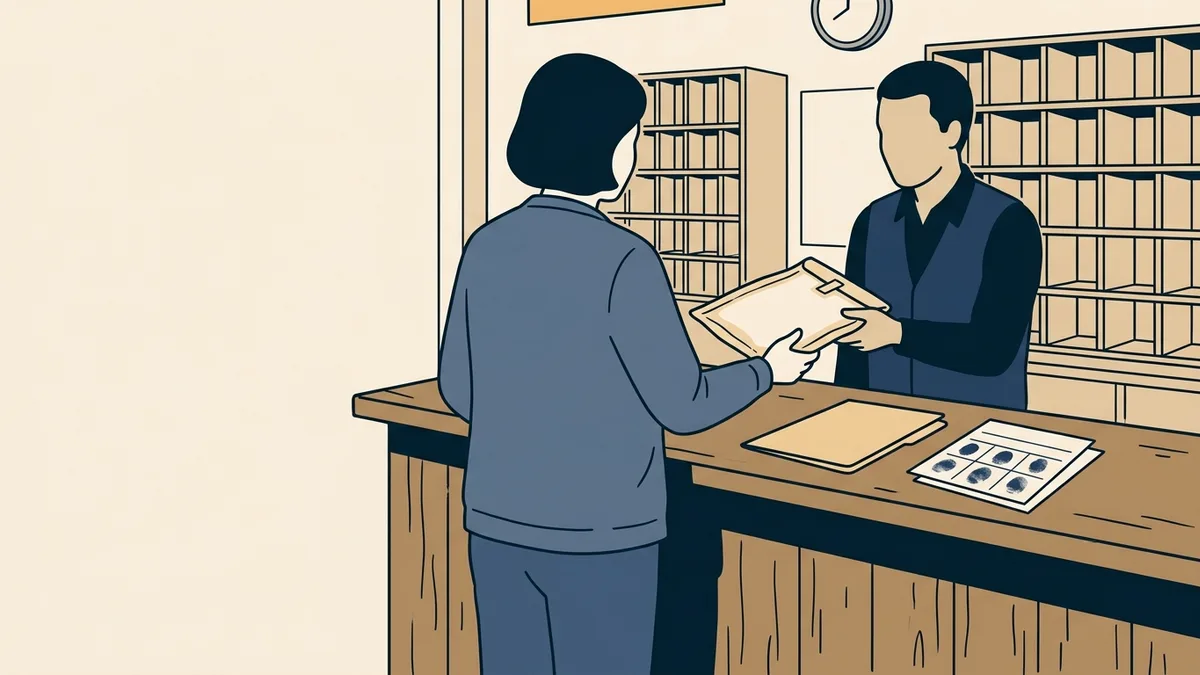
- A criminal background check, usually fingerprint-based, through the state's own vendor.
- A law or jurisprudence exam in some states. Texas, Colorado, Wisconsin and Vermont require one for social workers, and California requires its Law and Ethics Exam. See which states have a law exam.
How do endorsement requirements differ by state?
The real differences are in how much the new board trusts your existing license. Some examples, as of October 2026:
- California has two routes. Path A, "Licensure by Credential," is for clinical social workers who have held a license at the highest independent clinical level in another US jurisdiction for at least two years, active and unrestricted for the two years before applying, with a CSWE-accredited MSW. They complete California-specific coursework and pass the California Law and Ethics Exam. Everyone else uses Path B, which means meeting California's education, supervised experience and exam requirements on their own terms.
- New York offers endorsement only to LCSWs with at least 10 years of licensed clinical social work practice in the 15 years before applying. There is no endorsement for the LMSW. Everyone else goes through the full application.
- Texas has no reciprocity with any jurisdiction. Every applicant must meet every Texas requirement, including the jurisprudence exam. An LCSW licensed elsewhere for at least one year immediately before applying has the supervised experience requirement waived, though the ASWB Clinical exam and jurisprudence exam still apply.
Most other states sit between these: they accept your clinical license and ASWB Clinical score and ask for verifications, a background check and sometimes a law exam or state-specific training. Our state license pages list each state's route.
What happens when the titles don't match?
Social work titles are a mess across states, and the new board maps your license onto its own tiers by what it authorizes, not what it is called. A few known traps:
- Massachusetts: LCSW means Licensed Certified Social Worker, a master's-level license. The clinical license is the LICSW. A Massachusetts LCSW moving to another state is not applying as a clinician. See when "LCSW" is not a clinical license.
- Rhode Island: the LCSW is an entry-level license, not the independent clinical one.
- Michigan: the top license is the LMSW with a clinical designation. There is no LCSW title.
- Clinical titles generally: LCSW, LICSW, LISW, LCSW-C and others can all be the independent clinical license. See LCSW, LICSW, LISW, LCSW-C.
Send the new board your license's scope as well as its name if there is any doubt.
What if you don't have enough years for endorsement?
Then you apply under the standard route, and the board looks at your underlying qualifications: degree, exam and supervised experience. The step that most often stalls these files is supervision. You may need your original supervisor to sign the new state's verification form, and that state may count hours differently. If your supervisor has retired or cannot be found, ask the board early what substitute evidence it accepts. See documenting supervision.
Which documents cause most of the delays?
In our experience, in roughly this order:
- Verifications from old states. Especially a state where you held a license years ago and let it lapse. Many boards want every state you have been licensed in to verify, not only the current one.
- Supervision forms from supervisors who have moved, retired or died.
- Transcripts from schools that closed or merged, or that send only by mail.
- Name mismatches between your ASWB record, transcripts and license. Fix these first; ASWB requires legal documentation of a name change before sending scores.
- Background check results that show anything at all, without court dispositions attached.
- Disclosure questions answered too briefly. A "yes" with no explanation stops a file. A "yes" with a short, documented explanation usually does not.
Can you practice while you wait?
Usually not. Some states have a provision for applicants with a pending application. Maryland, for example, exempts a social worker licensed in another state who has an application pending and meets the board's regulations, for up to 6 months. Most states have no such provision, so assume you cannot practice there until the license issues. For clients who move ahead of you, see when a client moves.
Should you keep your old license?
If you may return, have clients still there, or the state is a compact member where your license could matter later, keeping it active is cheap insurance. If not, let it go to inactive or expire properly at renewal rather than abandoning it with unpaid fees or unfinished CE. A lapsed license can complicate future verifications.
Will the compact replace all this?
For moves between member states, eventually. Once multistate licenses issue, a social worker who moves between member states applies to the new home state for reissuance within 30 days. For moves to or from non-member states, endorsement remains the route. And as of October 2026, no state was issuing multistate licenses. See moving under the compact.
How we help
We prepare the whole file, request every verification and transcript, track the board's checklist and answer deficiency letters. License by Endorsement is $499 per state; a full application, for states or situations without an endorsement route, is $749. Board, ASWB and fingerprint fees are separate. Tell us where you are going.
Common questions
- Is there LCSW reciprocity between states?
- Not automatic reciprocity. Most states offer endorsement, which still requires an application, verifications, a score transfer and a background check. Texas says it has no reciprocity with any jurisdiction.
- How much does it cost to send my ASWB score to another state?
- ASWB charges $40 per score transfer and sends it within 7 to 10 business days. The new board's application and license fees are separate.
- Do I need to verify every license I've ever held?
- Often, yes. Many boards, New York among them, ask for verification from each state where you have been licensed, and lapsed licenses are not automatically excused. Check the new board's instructions.
- Can I practice in the new state while my application is pending?
- Usually not. A few states have a limited provision, such as Maryland's up to 6 months for applicants with a pending application, but most do not.
Need Help with Your Application?
We handle the social work licensing process end-to-end — eligibility screening, documents, board follow-ups, and tracking.