
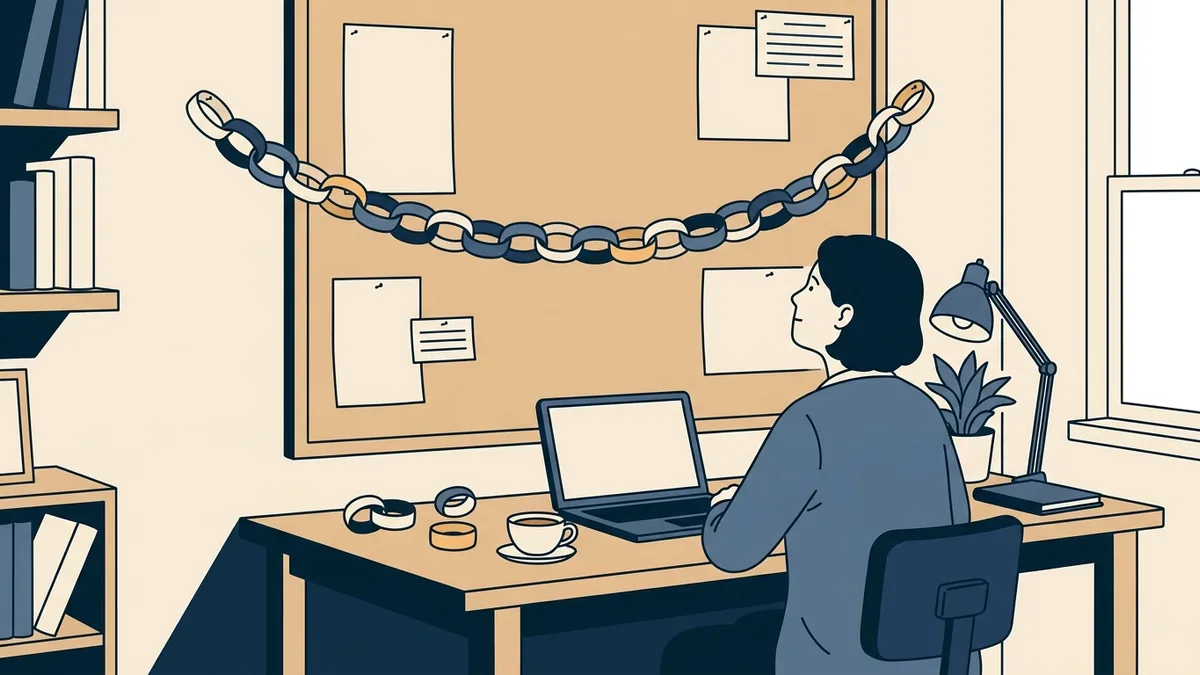
Social work endorsement takes as long as its slowest step: license verifications from other boards, the ASWB score transfer (7 to 10 business days), transcripts, fingerprints, any supervision forms or law exam, and board review. A clean file can take a few weeks to a couple of months; files with old licenses or missing supervisors take longer.
"How long will it take?" is the first question every social worker asks about a new state license, and the honest answer is that it depends less on the board than people think. An endorsement application is a chain. The board cannot review your file until the last piece arrives, and most of the pieces come from someone else.
Stage 1: Your application
Who controls it: you.
What slows it: unclear disclosure answers, a name that differs across documents, an outdated form. Boards revise their applications; download the current one the day you start.
This is the only stage you fully control, and it is where a lot of time is lost: a "yes" to a background question with no explanation, or a missing signature, sends the file back.
Stage 2: License verifications
Who controls it: every board where you hold or held a license.
What slows it: boards that verify only by mail or only on request with a fee, and old licenses you forgot about.
Order these first. They are usually the longest wait. See license verification between boards.
Stage 3: ASWB score transfer
Who controls it: ASWB.
Published time: ASWB says it sends your score to the board within 7 to 10 business days of the request. The fee is $40.
What slows it: a name change you have not documented with ASWB, or requesting the transfer before the board has opened your application.
Stage 4: Transcripts
Who controls it: your school.
What slows it: closed or merged schools, paper-only registrars, holds for unpaid fees from years ago. Some boards also want a program verification form signed by the school, which takes longer than an electronic transcript.
Stage 5: Background check
Who controls it: the state's fingerprint vendor and the state and federal agencies behind it.
What slows it: fingerprints rejected as unreadable, which means doing them again, and any record that needs court documents. If you live out of state, check whether the board accepts ink cards and how they are processed.
Stage 6: Supervision verification, if needed
Who controls it: your former supervisor.
What slows it: a supervisor who has retired, moved, died or simply does not answer. Many endorsement routes skip this if you have been licensed long enough at the clinical level; standard routes do not. See documenting supervision.
Stage 7: Law exam, if required
Who controls it: mostly you, once you have access.
Examples: Colorado's online jurisprudence exam gives you 60 days to finish after paying, and a 10-day wait before retesting if you fail. California's Law and Ethics Exam comes after the board approves your application, and California says to allow up to 30 days to process the initial license request after you pass. See law exams by state.
Stage 8: Board review
Who controls it: the board.
What slows it: volume, staffing and how often the board meets if files go to a committee. Many boards post current processing times on their websites; check them, and expect them to stretch at busy times of year.
If the reviewer finds something missing, you get a deficiency notice and the clock effectively restarts for that item.
What does that add up to?
In our experience, a clean file in a state with a straightforward endorsement route takes a few weeks to a couple of months. For a file with an old license to verify, a missing supervisor or a background issue, several months is realistic. We do not quote a single number because no single number is honest.
The fastest way to shorten it is to start Stages 2 through 6 on the same day, not one after another.
Can the compact shorten this?
Eventually, between member states, but not yet. As of October 2026, no state was issuing multistate licenses. See whether to get a license now or wait.
We run every stage in parallel and chase each source until it arrives. License by Endorsement is $499 per state, with courier and rush handling ($50–$150) when a board accepts expedited documents. Start with your target state.
Common questions
- What is the slowest part of an LCSW endorsement application?
- Usually verifications from other states' boards, especially for old or lapsed licenses, followed by supervision forms from supervisors who are hard to reach.
- How long does ASWB take to send my score to a new board?
- ASWB says it sends scores within 7 to 10 business days of a transfer request. Some boards then take additional time to post it to your file.
- How can I speed up a social work endorsement?
- Request verifications, transcripts, the score transfer and fingerprints on the same day you apply, make sure your name matches across records, and explain any disclosure answer fully.
Need Help with Your Application?
We handle the social work licensing process end-to-end — eligibility screening, documents, board follow-ups, and tracking.